
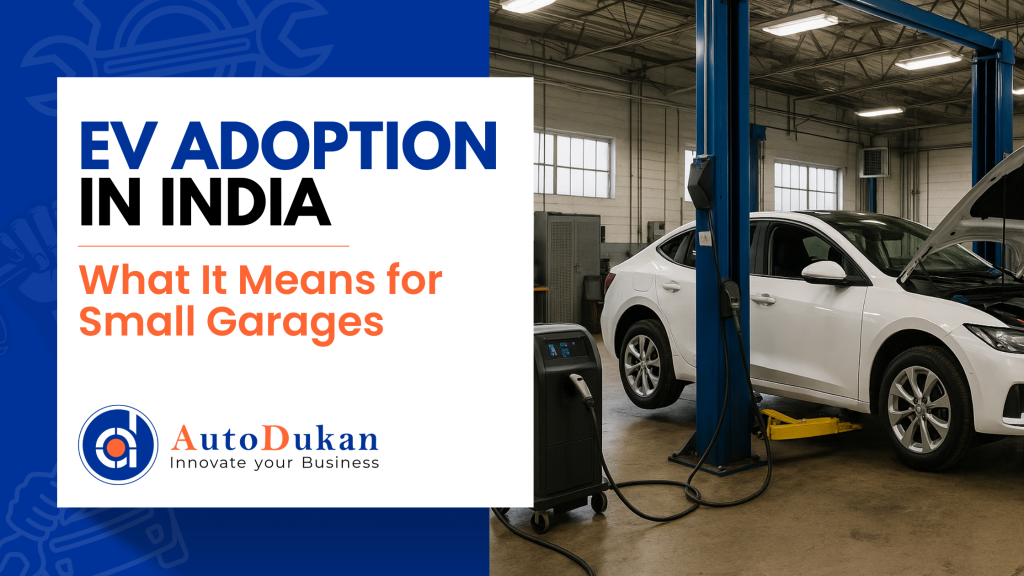
Electric vehicles are no longer a futuristic concept in India. From major cities to tier 2 towns, EVs are quietly becoming a part of everyday traffic. With government incentives, rising fuel prices, and increased environmental awareness, the EV adoption curve in India is climbing faster than ever before. But for small garages, this shift brings both excitement and anxiety.
Along with fixing cars, managing a garage also includes understanding how the industry is changing. The move from fuel-powered vehicles to electric ones is more than just a mechanical transition. It’s a complete shift in skills, tools, and mindset. For garage owners who have built their reputation around engines and exhausts, the rise of EVs can feel like starting over. But it does not have to be that way.
Let’s explore how this EV wave is changing the game for small garages in India, and what steps you can take today to stay ready for tomorrow.
1. The EV Shift Is Already Underway
India’s EV sales have grown significantly over the past few years, especially in the two-wheeler and fleet vehicle segments. Large manufacturers are investing heavily in electric technology, and more affordable models are entering the market. This trend means that EVs are no longer limited to luxury car owners. For local garages, this is the signal to start learning and adapting before the wave becomes a flood.
2. New Skills, New Tools
Traditional garages are used to handling engines, gearboxes, and oil changes. EVs, however, run on motors, batteries, and complex electronic systems. This means mechanics need to be trained in handling high-voltage systems, diagnostic software, and battery maintenance. Investing in the right training and diagnostic tools early can help garages stay ahead of the curve instead of playing catch-up later.
3. The Spare Parts Puzzle
EVs have fewer moving parts than conventional vehicles, but they require specialised components like battery modules, sensors, and controllers. For garages, sourcing these parts through reliable channels becomes critical. Platforms like Autodukan are already working with OEMs to make genuine EV spare parts easily accessible across India. This ensures garages can find the right components without long delays or quality concerns.
4. Opportunity in Routine Maintenance
One misconception is that EVs don’t require servicing. While they do have fewer mechanical components, they still need regular maintenance. Tyre rotations, brake inspections, coolant checks, and software updates remain essential. Garages that understand this can offer periodic service packages to EV owners, creating a steady stream of business while building long-term customer trust.
5. Customer Trust Will Be the Real Differentiator
As EVs become more common, owners will look for garages they can trust to handle the technology safely and correctly. This presents an opportunity for small garages to brand themselves as EV-ready workshops. Displaying certifications, using verified OEM parts, and communicating transparently about repair processes can make a huge difference in how customers perceive your service.
6. Collaboration Over Competition
Instead of seeing EV service as a challenge, small garages can collaborate with local EV dealerships or charging stations. Many brands are open to partnerships for minor servicing or repairs. By building these networks, garages can gain new customers, access updated training, and stay informed about evolving EV standards.
Conclusion: The Future Is Electric, and It’s Already Here
EV adoption in India is not slowing down. The garages that will thrive are those that embrace change early, invest in learning, and align with trusted OEM networks for sourcing parts. The shift may feel daunting, but it also opens the door to a cleaner, smarter, and more profitable automotive future.
At AutoDukan, we help garages stay prepared by giving them access to genuine EV-ready spare parts directly from OEMs, along with a catalogue that keeps expanding as the industry evolves. The future of car repair is electric, and the time to get ready is now.