
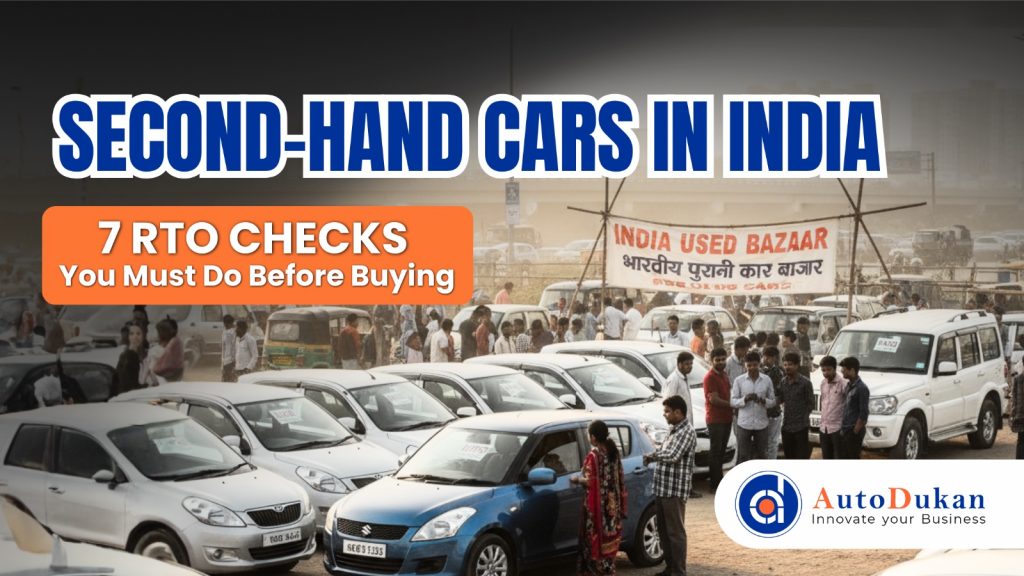
Buying a second hand car in India can be a smart decision, but only if you know exactly what you are getting into. A car can look perfect on the outside, the test drive can feel smooth, and the seller can sound convincing, yet an overlooked detail in the paperwork can lead to major trouble later. The safest way to avoid hidden problems is to run the right checks with the Regional Transport Office. These checks reveal the real history of the car and help you understand if the deal is actually worth signing.
Most car owners focus on the engine condition, tyres, or mileage but forget that paperwork tells the real story. A vehicle with a doubtful RTO record can bring legal complications, unexpected costs, and transfer delays. Before you make the payment or hand over any documents, take the time to verify these seven important RTO checks. They keep you safe, informed, and confident about your purchase.
Check the Registration Certificate
The RC is the most important document for any vehicle. Make sure the chassis number, engine number, model, fuel type, and colour match the actual car. If anything looks unclear or corrected by hand, ask the seller for the reason. Replacements or duplicate RCs are not always a problem but they should come with proper proof.
Verify Pending Challans
Many second hand cars carry unpaid traffic challans linked to the registration number. You should always check the challan status on the official Parivahan website. Buyers often discover thousands of rupees in pending fines after the purchase. These fines transfer with the vehicle, so clear them before the sale or ask the seller to settle them first.
Check Ownership History
A car that has changed too many hands in a short period can be a red flag. Each transfer reflects a story, and multiple transfers in a small span sometimes indicate mechanical issues or legal complications. Confirm the number of previous owners on the RC and match it with the data on the Parivahan portal. Also check whether the current seller is the legal owner allowed to sell the car.
Confirm Insurance Status
A car without valid insurance should immediately make you cautious. Check the policy dates, type of cover, and claim history. A car with too many claims could indicate repeated accidents or recurring repair problems. You can verify active insurance status on the official insurance information website. If the policy has expired, use it as a negotiation point or ask the seller to renew it before sale.
Check for Loan or Hypothecation
If the car was purchased on loan, the RC will show hypothecation under the bank’s name. Make sure the seller has closed the loan and obtained a no objection certificate from the bank. Without this, the RC cannot be transferred to your name. Some buyers end up stuck for months because the seller did not complete the hypothecation removal process correctly.
Inspect the Pollution Certificate
Many underestimate the importance of a valid PUC certificate. It is a simple document but not having it can cause issues during RC transfer. A failed PUC test can also reveal engine problems or poor upkeep. Make sure the PUC is valid and check the emission readings for any unusual values.
Cross Check the Car’s Authenticity on Parivahan
The Parivahan portal gives you access to the car’s complete RTO history including fitness validity, tax paid status, registration details, and ownership timeline. This cross check is essential because it shows information that the seller might not disclose. It also confirms whether the vehicle is legally fit for use on public roads.
Why These Checks Matter
These checks protect you from common risks such as stolen vehicles, tampered odometers, outstanding loans, or vehicles that have been written off after major accidents. Many buyers discover these issues only after the sale when they visit the RTO for ownership transfer. A little homework before buying saves you from expensive surprises later.
How Autodukan Supports You After the Purchase
Once you have bought the car, the real responsibilities begin. Proper maintenance, timely replacements, and trusted parts help your second hand car last longer and perform better. At Autodukan, we make this part easier. You can source genuine OEM parts through our app, compare prices transparently, and track deliveries without calling multiple suppliers. Every delivery is protected and every part comes from verified sellers so your post purchase upkeep stays worry free.
Conclusion
A second hand car can be a great investment when you take the time to verify its background through the right RTO checks. These checks give you clarity and confidence before committing your money. Once the car is yours, Autodukan helps you keep it in good shape with genuine parts, clear pricing, and protected deliveries for every order.